Partners during the day — separated at night?
Sleep divorce is real. One in three American couples sleeps apart because of snoring or sleep apnea. It doesn't have to be that way. A custom oral appliance — small enough to fit in your hand — can bring you back together.
Schedule Your ConsultationUnhappy with your CPAP?
You're in good company. Millions of Americans have been prescribed a CPAP machine — and millions have quietly stopped using it. The mask leaks. The hose tangles. The noise keeps your partner awake (which defeats the whole point). You feel trapped, not treated.
Studies show that roughly one in three CPAP users doesn't meet even the minimum usage threshold of four hours a night. Long-term non-adherence runs above 34% across two decades of research. If your CPAP is collecting dust on the nightstand, you're far from alone — and there's a better path forward.
non-adherence rate
with mask discomfort
minimum nightly hours
Missing the person next to you
It usually starts small. One of you moves to the couch for a night. Then the spare bedroom becomes "your room." Before long, you can't remember the last time you fell asleep together. You still love each other — you just can't sleep in the same room.
The American Academy of Sleep Medicine found that 31% of U.S. adults have opted for a "sleep divorce" — sleeping in a separate bed or separate room to escape a partner's snoring. Among adults 35 to 44, that number climbs to 39%. A global ResMed survey put the figure even higher: 50% of Americans sleep apart from their partner, and 30% say it's hurt their relationship.
This isn't a small inconvenience. It chips away at intimacy, connection, and the quiet comfort of sharing a bed with the person you love.
The good news: In most cases, snoring and obstructive sleep apnea are the root cause — and both are treatable. A custom oral appliance can reduce or eliminate snoring from the very first night. No machine. No mask. No noise. Just the two of you, sleeping side by side again.
Small, quiet, and remarkably effective
An oral appliance looks like a slim retainer. It's custom-fitted to your teeth and gently advances your lower jaw forward while you sleep, keeping the airway open and reducing the soft-tissue vibration that causes snoring.
The American Academy of Sleep Medicine and the American Academy of Dental Sleep Medicine jointly recommend oral appliance therapy for patients with obstructive sleep apnea who are intolerant of CPAP or prefer an alternative. Clinical studies show similar improvements in daytime sleepiness, quality of life, and blood pressure compared to CPAP — with significantly higher patient compliance.
- Custom-molded to your teeth — no one-size-fits-all
- Titratable: your dentist fine-tunes the jaw position over weeks
- No electricity, no water, no hoses
- Compact enough to fit in a travel case
- Quiet — your partner won't hear a thing
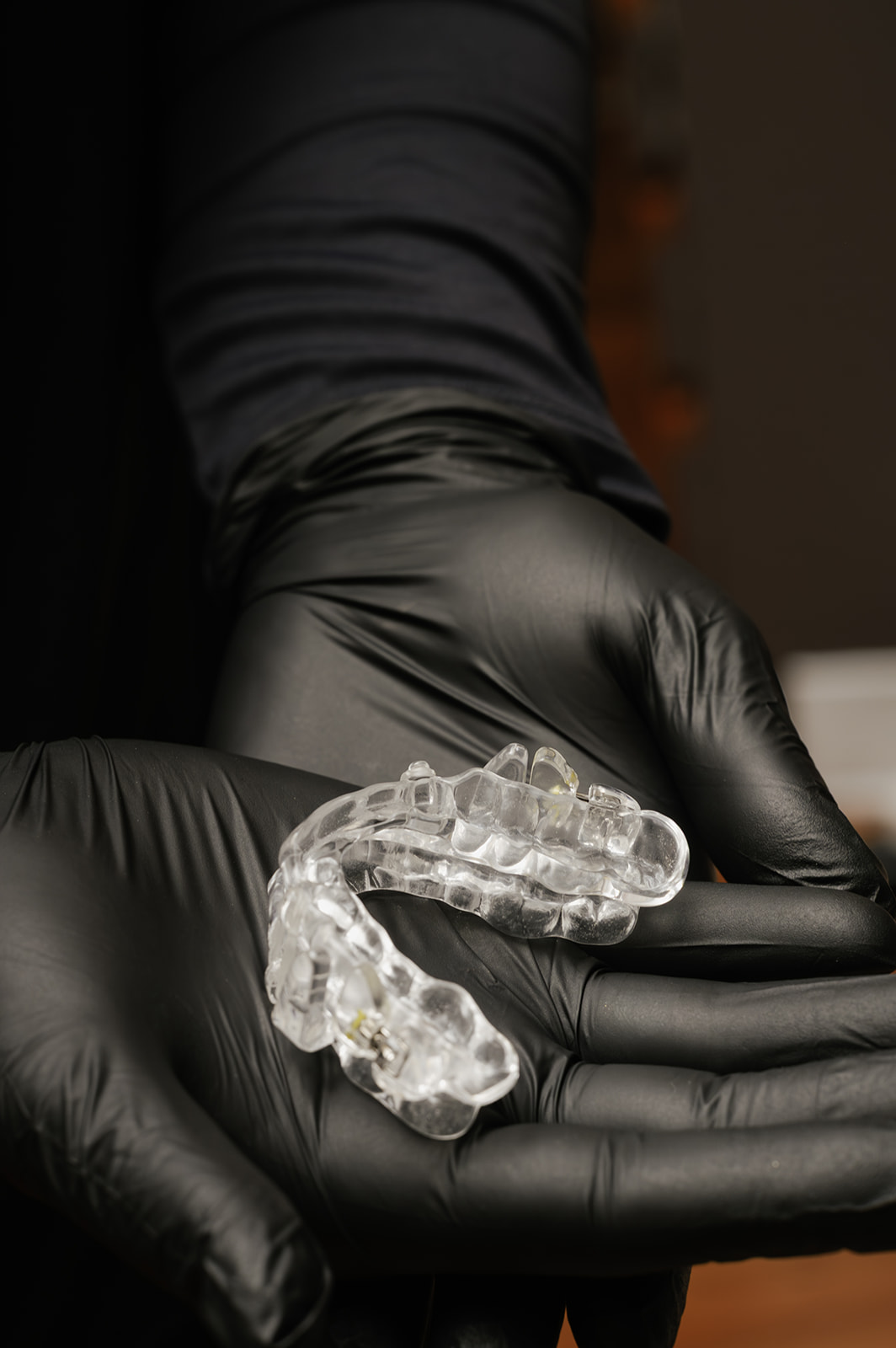
Leave the machine at home
Anyone who's hauled a CPAP through airport security knows the routine: pull it out of the bag, place it on the belt for X-ray, explain it to TSA, pray nothing gets flagged. Then find a power outlet at the hotel, set up the humidifier, hope the water doesn't spill — and clean the whole apparatus in the morning.
No TSA hassle
An oral appliance stays in your carry-on. No screening, no questions, no separate bin.
No electricity needed
Works without power outlets, distilled water, or specialized batteries. Slip it in, sleep.
Fits in a travel bag
Smaller than a glasses case. Toss it in your toiletry kit and forget about it until bedtime.
Sleep next to your partner
Hotel rooms, vacation rentals, camping trips — no machine noise separating you.
Candidates for oral appliance therapy
Oral appliance therapy isn't for everyone — but it helps far more people than you might expect. If any of the following sound familiar, a consultation can tell you whether an appliance is the right fit.
- Diagnosed with mild to moderate obstructive sleep apnea
- Severe OSA patients who cannot tolerate CPAP
- Primary snoring that disrupts your partner's sleep
- Upper airway resistance syndrome
- CPAP intolerant — tried it, couldn't stick with it
- Frequent travelers tired of hauling equipment
- Combination therapy: appliance + CPAP at lower pressure
- Anyone seeking a quieter, simpler alternative
Years of experience bringing couples back together at night
Our dental sleep medicine team combines clinical expertise with genuine care. We've seen what sleep apnea does to relationships, to energy, to quality of life — and we've seen how much changes when people finally get treatment that works for them.
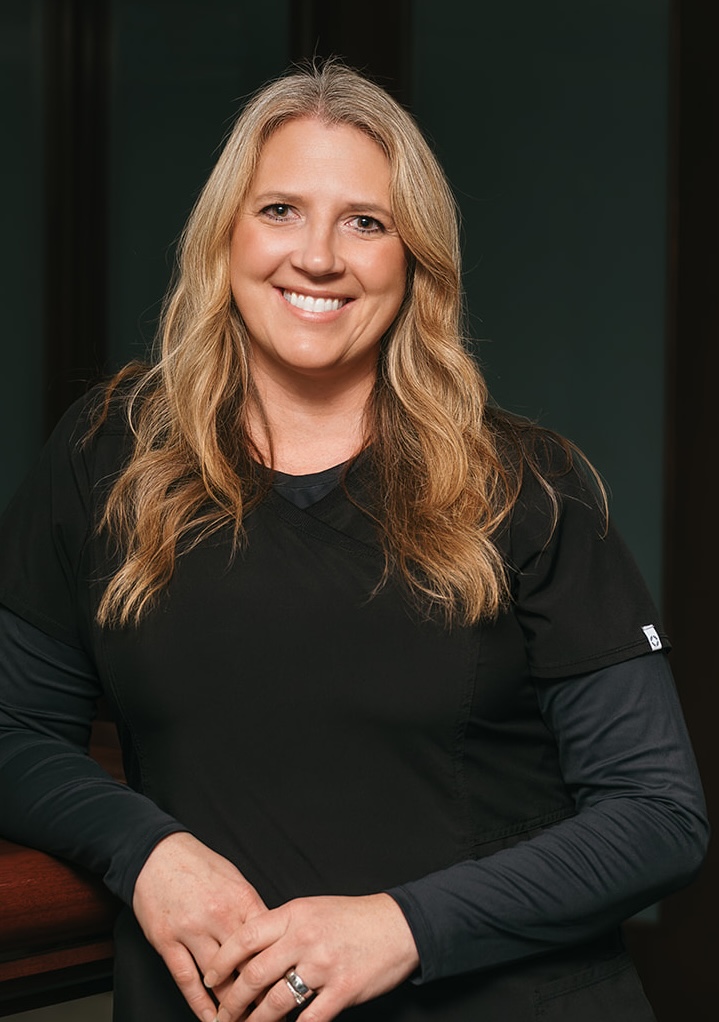
Sam Bloch
Dental Sleep Medicine
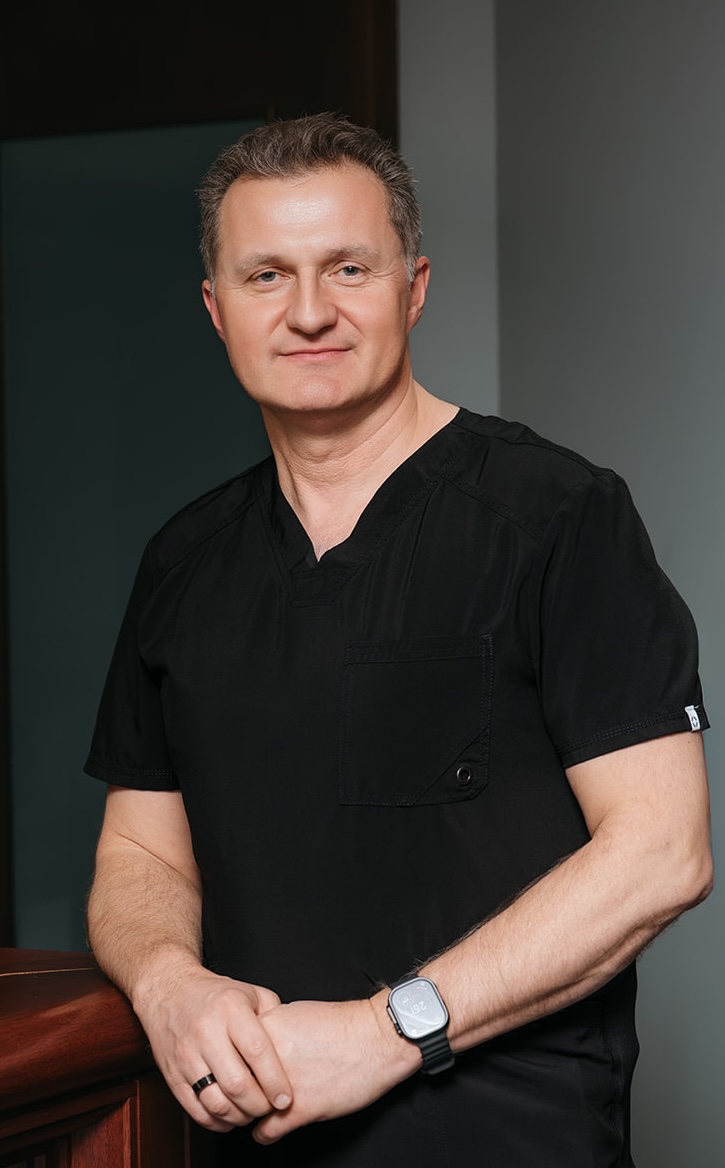
Dr. Jan Bublik
Oral & Maxillofacial Surgeon
ICOI Diplomate
Find out if a sleep appliance is right for you
A short consultation is all it takes. We'll review your sleep history, discuss your options, and help you decide whether an oral appliance could change the way you sleep — and the way you wake up.
Call 715-391-3080 Schedule Your Consultation 715-391-3080Dental Sleep Apnea FAQ
A dental sleep apnea appliance (oral appliance therapy) is a custom-fitted device worn during sleep that repositions the lower jaw slightly forward to keep the airway open. It is FDA-cleared for treating mild to moderate obstructive sleep apnea and snoring.
CPAP is more effective for severe sleep apnea. Oral appliances are preferred by many patients with mild to moderate apnea because they are smaller, silent, require no power source, and are easier to travel with. Many patients who cannot tolerate CPAP succeed with an oral appliance.
Oral appliance therapy is appropriate for adults diagnosed with mild to moderate obstructive sleep apnea, or for CPAP-intolerant patients with more severe apnea in consultation with their sleep physician. A sleep study is required before treatment.
After your consultation and impressions, most appliances are fabricated in 2–3 weeks. A follow-up appointment adjusts the fit and jaw position, and a home sleep study may be used to confirm effectiveness.
Studies show oral appliances reduce the Apnea-Hypopnea Index (AHI) by 50% or more in most mild to moderate cases. Many patients experience significant improvement in daytime alertness, snoring, and sleep quality within the first month of use.
Medical insurance (including Medicare) often covers oral appliance therapy when prescribed by a physician following a sleep study. Dental insurance may contribute to the appliance cost. We work with both your dental and medical benefits.